Between pharmacy deserts and wasted talent
The current state of the U.S. health system, reflected in phenomena such as misleading drug advertising, the spread of pharmacy deserts and the critical shortage of nursing staff, works as a mirror that returns a troubling image for those of us who aspire to a fairer, more humane and more sustainable health model. And without…
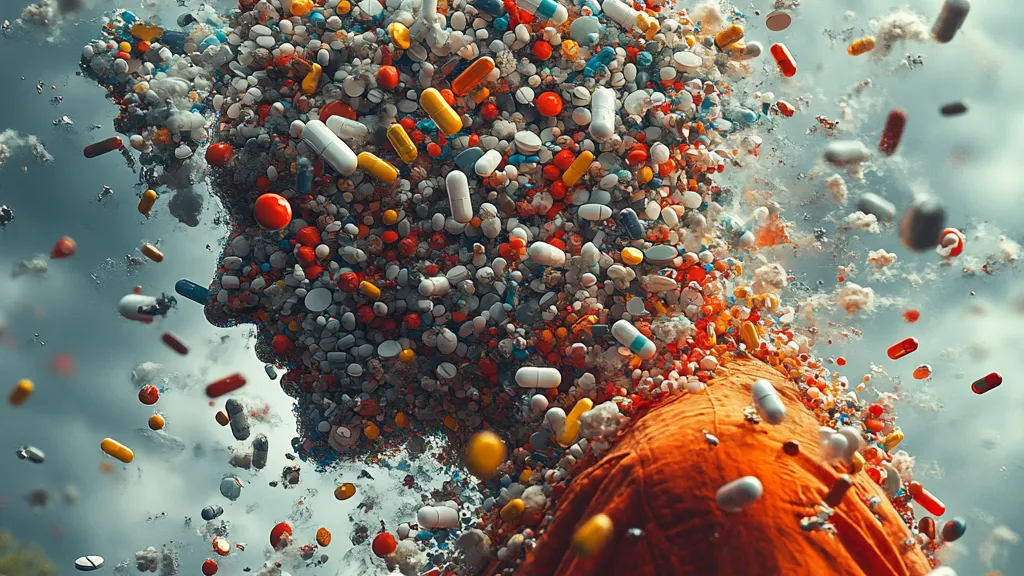
The current state of the U.S. health system, reflected in phenomena such as deceptive drug advertising, the spread of pharmacy deserts and the critical shortage of nursing staff, works like a mirror that returns a troubling image to those of us who aspire to a fairer, more humane and more sustainable health model. And yet, like any broken mirror, its fragments also show us hidden opportunities to rethink our own future.
Health turned into a conversion algorithm
In the U.S., health has entered the logic of algorithmic marketing: weight-loss drug ads flood social media, disguising risks with immediate promises. Platforms such as TikTok and Google Ads have become showcases for products that, in many cases, are not adequately regulated. According to reports from the Partnership for Safe Medicines and the National Association of Boards of Pharmacy, more than 100 websites offer drugs such as semaglutide (GLP-1) without a valid prescription, even misrepresenting their FDA approval.
Emotional manipulation replaces clinical judgment, while digital platforms feed an artificially constructed demand. Patients no longer look for health; they look for the ideal the algorithm sold them.
This phenomenon is not far from knocking on our door. With the expansion of targeted advertising and aspirational consumption, we risk replicating an ecosystem where medicine does not heal but is sold as a lifestyle. Faced with this, Dominican medical talent —trained with a strong ethical component and a vocation for service— has the opportunity to position itself as a counterweight: professionals who can lead patient-centered clinical practices, not digital conversion.
When the pharmacy disappears and the algorithm doesn't deliver
The so-called pharmacy deserts —areas without physical access to pharmacies— already affect more than 48 million people in the U.S., especially in rural communities. A study by GoodRx Health (2022) shows that 45% of the country's counties have limited or no access to pharmacy services. The situation has worsened with the closure of more than 1,300 pharmacies in recent years, largely because of inadequate reimbursements and marginal profitability.
The promise of the digital pharmacy runs into the connectivity gap. There is no Wi-Fi where health is needed most.
This dilemma affects us twice over. First, because our rural areas already live something similar that has never been given a name: communities where getting medicines depends on a guagua, a phone call and good luck. Second, because we are at a point where we can anticipate solutions before the collapse: what if Dominican pharmacists, supported by smart technology infrastructure, lead a hybrid physical-digital model that closes that gap?
The nursing shortage: an alarm that already sounds here
The United States projects a shortage of 295,000 registered nurses by 2025, according to the U.S. Bureau of Labor Statistics and data from the National Council of State Boards of Nursing. In 2023, more than 18% of nurses left their posts, citing burnout, overload and a lack of institutional support, a direct legacy of the pandemic.
In the Dominican Republic, although the numbers are not yet as dramatic, we already feel the cracks in the model: overburdened health professionals, salaries out of line with the real value of their work, and technical training that does not always translate into decent working conditions.
But there is also a window here: to revalue nursing not only as an operational piece, but as a pillar of trust in the health system. Investing in the well-being, leadership and development of Dominican nursing staff can be a strategic move that sets us apart regionally.
From the broken mirror to strategic vision
The lessons the U.S. system leaves are clear: the hypercommercialization of health care, the abandonment of vulnerable communities and the exhaustion of human talent are symptoms of a model that puts economic efficiency ahead of collective well-being. And yet, that same model points to paths we can avoid —and others we can turn into opportunities.
Rethinking our health strategy is not only a task for the State, but also for the technological, academic and business ecosystem. In a world where talent will migrate to wherever it is valued, the Dominican Republic has the opportunity to become a hub for humanized, technologically assisted and socially equitable health care.
Will we be ready to see ourselves in that other mirror?