Hyderabad, where tradition meets digital innovation
In the heart of India, an ancient city is being transformed into one of the most dynamic technology hubs on the planet. Hyderabad, known as the «City of Pearls» and «the city of Biryani», now adds to…
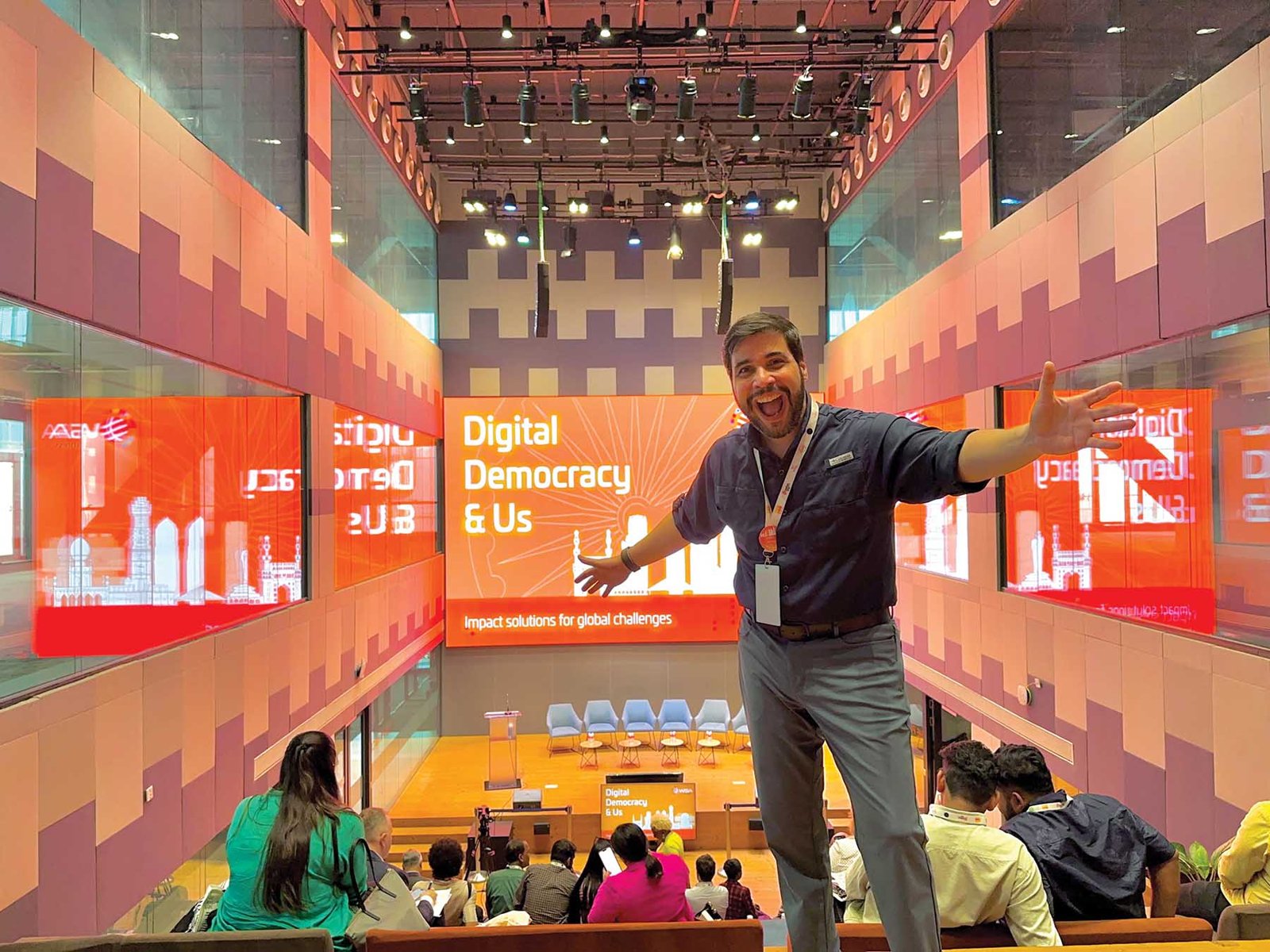
In the heart of India, an ancient city is turning into one of the most dynamic technology hubs on the planet. Hyderabad, known as the «City of Pearls» and «the City of Biryani», now adds to its titles that of «city of technology and deep tech» and «pharmaceutical city».
I had the privilege of experiencing this fascinating duality during my participation as a juror and representative of the Dominican Republic at the WSA Global Congress 2025, an event that brought together digital innovators from around the world under the theme «Digital Futures, Inclusive Innovation and Global Dialogues».
India's technology jewel
Landing in Hyderabad means discovering a metropolis where centuries-old minarets and the palaces of the Nizams coexist with glass skyscrapers and imposing technology centers. This city in the state of Telangana preserves its rich cultural heritage and embraces the future with determination.
It is no coincidence that Microsoft CEO Satya Nadella is originally from here. Hyderabad has cultivated an innovation ecosystem that has placed it fourth in the ranking of startup ecosystems in India, with impressive growth of 150 % in venture funding compared with the previous year.
T-Hub: the heart of innovation
During the congress we had the chance to visit T-Hub, the building dedicated to startups the largest in the world, at an impressive 570,000 square feet. This colossus of innovation is the symbol of Hyderabad's ambition: thousands of entrepreneurs work here on digital solutions to global challenges, from environmental sustainability to social inclusion.
T-Hub, together with We-Hub (the first organization established by a state government in India to support women entrepreneurs), were key hosts of the congress and exemplify Telangana's commitment to inclusive entrepreneurship.
Digital democracy and inclusion: the heart of the debate
The WSA Global Congress 2025 was not a conventional technology event. Under the theme «digital democracy and us», discussions delved into how digital technologies can strengthen democratic values and promote more participatory and fairer governance.
In high-level sessions, international experts, WSA award winners, government officials and UN representatives debated the role of artificial intelligence in citizen participation, the importance of data governance and digital rights in the information age.
Telangana's Secretary for IT and Communications, Jayesh Ranjan, highlighted how the state government is harnessing emerging technologies such as AI, blockchain, robotics and IoT to tackle fundamental problems and empower rural communities. Telangana launched its AI roadmap in 2024, and identified key pillars and use cases in sectors such as health, agriculture, education and transport.
Inspiration for the Dominican Republic
As a Dominican representative, I found the focus on «technology for good» particularly relevant. Our country, which is advancing in its digitalization, can learn a great deal from initiatives such as India's Digital Empowerment Foundation (DEF), which works to connect rural areas with digital technologies and develop solutions that benefit the community.
The announced collaboration between the government of Telangana, the Equally Able Foundation and DEF to create digital employment and entrepreneurship opportunities for people with disabilities is a model we could adapt on our island.
A complete sensory experience
Hyderabad is not just technology; it is a destination that stimulates all the senses. During our stay we enjoyed its legendary cuisine, especially Hyderabadi biryani, a spiced rice dish with meat, a culinary ritual in itself. The cultural performances during the congress, such as the traditional leather puppet show, reminded us that this technology city keeps its roots anchored in tradition.
The contrast between the old bazaars, where artisans still craft pearl jewelry with centuries-old techniques, and T-works, the second-largest prototyping center in the world, perfectly illustrates Hyderabad's capacity to embrace past and future at once.
With one foot in the future
Hyderabad's push toward a digital future leaves no one behind. The government of Telangana is committed to expanding access to services for disconnected populations in remote villages and to improving access to health care and education through technology.
Initiatives such as the Museum of the Digital Society, backed by the local government, and T-Hub, which seeks to highlight both the promises and the shortcomings of digital transformation, show a balanced approach to technological progress.


Lessons for the Caribbean
As a region looking to diversify its economy beyond traditional tourism, the Caribbean can find an inspiring model in Hyderabad. The Indian city has built a robust technology ecosystem without losing its cultural identity or its appeal to tourists. Perhaps the biggest lesson from my visit to Hyderabad is that real innovation does not mean replacing the old with the new, but creating a harmony in which both can coexist and enrich each other.
As I return to the Dominican Republic, I bring with me not only new ideas for digital projects, but also the vision of a city that has achieved what many consider impossible: becoming a global center of technological innovation while celebrating and preserving its rich cultural heritage. Hyderabad is more than a destination on the global technology map; it is a philosophy of development that deserves our attention.
Acknowledgments
I extend my deep thanks to the World Summit Awards team (WSA), led by Prof. Dr. Peter A. Bruck, for the impeccable organization of the congress and for providing a global platform where technology meets social impact. His visionary leadership has made the WSA an international reference for digital innovation with purpose. Special thanks to Osama Manzar, founder of the Digital Empowerment Foundation, whose dedication to digital inclusion has been inspiring and has left a mark both in India and globally.
I also thank the authorities of the state of Telangana, whose commitment to inclusive and sustainable technological development is exemplary. Their hospitality and openness to international dialogue created an environment conducive to an exchange of ideas that will enrich all participants.
Originally published in Bohio News.