Digital payments and mobile money: the new architecture of money around the world
Over the last two decades, digital financial transformation has gone from a futuristic promise to a structural reality. We are no longer talking about isolated technology solutions, but about a deep reconfiguration of how money moves, how it is accessed and how it is protected. At the heart of this change are…
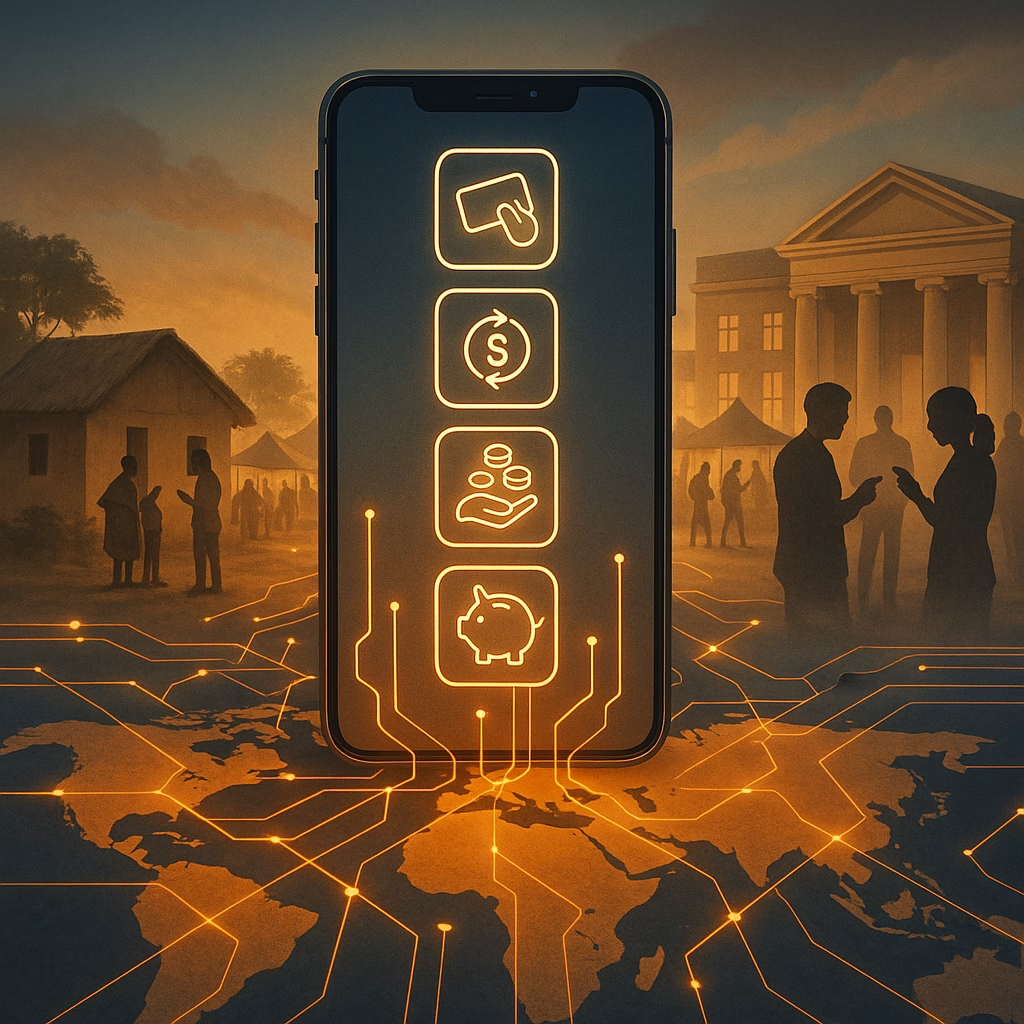
Over the last two decades, digital financial transformation has gone from being a futuristic promise to a structural reality. We are no longer talking about isolated technology solutions, but about a deep reconfiguration of how money moves, how it is accessed and how it is protected. At the heart of this change are two converging phenomena: mobile money and digital payments.
The rise of mobile money: inclusion that drives GDP
According to GSMA's State of the Industry Report on Mobile Money 2025, mobile money has reached 2.1 billion registered accounts and 514 million monthly active users worldwide. But beyond the numbers, the most telling part is the economic impact: mobile money has contributed 720 billion dollars in additional GDP to the countries where it operates, raising productivity and economic activity in regions historically excluded from the banking system.
Sub-Saharan Africa leads the phenomenon, accounting for more than 50% of global accounts. In countries such as Kenya, Ghana or Tanzania, mobile money represents more than 5% of GDP, by facilitating transfers, bill payments, savings, access to microcredit and even insurance.
This ecosystem not only improves financial inclusion but also generates profitability for operators. In 2024, average revenue per user was US$3.51, with more than 80% of providers reporting positive profitability. At the same time, there is a growing offer of adjacent services, such as digital savings and investment, which turns mobile money into a multifunctional platform.
Digital payments: toward a new financial infrastructure
But mobile money is only one part of a larger ecosystem. According to the Digital Payments Market Insights Report from Tabuga Intelligence, the global digital payments market moved US$8.48 trillion in 2022, and is projected to exceed US$15 trillion in 2027, with a compound annual growth rate of 16.3%.
This ecosystem is made up of three segments:
- Digital commerce (e-commerce): where platforms such as PayPal, Stripe or Alipay dominate online transactions.
- Mobile point-of-sale payments: enabled by QR or NFC, such as Apple Pay or Google Wallet.
- Digital remittances: that replace traditional channels with solutions such as Wise or Remitly.
China leads in volume, but Europe and Latin America stand out for their speed of adoption. In addition, so-called “super apps” such as Paytm, KakaoPay or M-Pesa are integrating financial, commercial and social functions into a single interface.
The pandemic accelerated the adoption of these technologies, and today digital payments are no longer just a convenience: they have become critical infrastructure for commerce, consumption and productivity.
Challenges and opportunities
Although the progress is notable, challenges persist. In Latin America, the lack of enabling regulation and banking concentration continue to limit the growth of mobile money. And in many regions of the global south, the digital gender gap prevents millions of women from accessing and using these services on equal terms.
In turn, the growth of the ecosystem demands rethinking security: encryption, biometrics, multi-factor authentication and financial education become fundamental requirements to guarantee trust and sustainability.
A new economy is being written in code
Digital payments and mobile money are no longer mere tools. They are the foundation of a new financial architecture, more distributed, more personal and more inclusive. Instead of revolving around banks and branches, this new economy is built around the user, their phone and their digital network.
The future of money will be digital, interoperable and contextual. And the decisions we make today —from product design to regulation— will determine whether this revolution serves to expand opportunities or to perpetuate inequalities.
The digital is not just a technical improvement: it is a structural opportunity to redraw the rules of the economic game. And the time to act is now.