Technology and sports tourism in the age of the total experience
When in 2018 I wrote about attention governance and how the mobile device had hijacked our capacity to focus, I did not imagine that the same logic would end up reconfiguring a sector that moves 707…
When in 2018 I wrote about attention governance and how the mobile device had hijacked our capacity to focus, I didn't imagine that the same logic would end up reshaping a sector that moves 707 billion dollars a year, according to Fortune Business Insights. Sports tourism has stopped being a niche and become an ecosystem where artificial intelligence, biometrics, next-generation connectivity and a question for the Dominican Republic converge: will we be the stage or the architects?
Global projections range between 1,984 billion dollars by 2034 (Fortune Business Insights, CAGR 11.79 %) and 5,279 billion by 2035 (Market Research Future, CAGR 18.2 %). That gap between estimates is not methodological imprecision. It is the footprint of a sector whose speed of transformation depends on technological variables that are still being deployed. Whoever understands those variables first captures the value. Whoever arrives late pays the franchise.
From the plane ticket to the experience algorithm
I have spent years documenting how corporate amnesia erodes value in local organizations. In global sports tourism, AI is doing the opposite: building institutional memory of the traveler. Virtual assistants like Cicerone —winner of the AI Tourism Awards 2024 organized by SEGITTUR and FITUR— or Guidegeek, which operates from WhatsApp, something that should interest us in a region where that platform dominates communication, design complete itineraries calibrated to the user's biometric profile, food preferences and physical capacity.
Expedia Group, with more than 350 AI models integrated into its platform and 900 billion predictions processed daily from 70 petabytes of data, reports that its integrated partners have recorded increases of up to 20 % in direct search-to-booking conversion. More than a cosmetic innovation, it shows how data engineering is applied to emotion.
For hotel operators, dynamic pricing algorithms analyze occupancy, search trends and the local sports calendar in real time. According to McKinsey, these increases range between 10% and 15% in RevPAR (Revenue Per Available Room), although more aggressive implementations documented by STR Global reach up to 30 % in the first year. Meanwhile, a good part of our Caribbean hotel stock keeps operating on the logic of high season and low season, as if the 2025 tourist consulted an almanac instead of a predictive model.
From venues to cognitive infrastructure
When we analyze the concept of spatial computing that Apple introduced with Vision Pro, we see a direct parallel with what is happening in sports venues. The Orange Vélodrome in Marseille operates as a living laboratory for 5G, through a collaboration between Orange Business Services and Ericsson: network slicing to guarantee high-definition transmission without saturating the network, edge computing to sync audio with the action in milliseconds, and applications that let spectators mix sound sources to their preference. The stadium stopped being a place; now it is a platform.
Digital twins —virtual replicas of venues and entire cities— simulate crowd flows to cut waiting times by up to 30% and anticipate infrastructure failures before they happen. For the Brisbane organizers 2032, this digital ecosystem is considered as strategic as concrete and steel. It is the same logic I have proposed for our cities: stop measuring progress by what is tangible and start valuing the invisible infrastructure that sustains the experience.

The tourist who competes, measures and shares
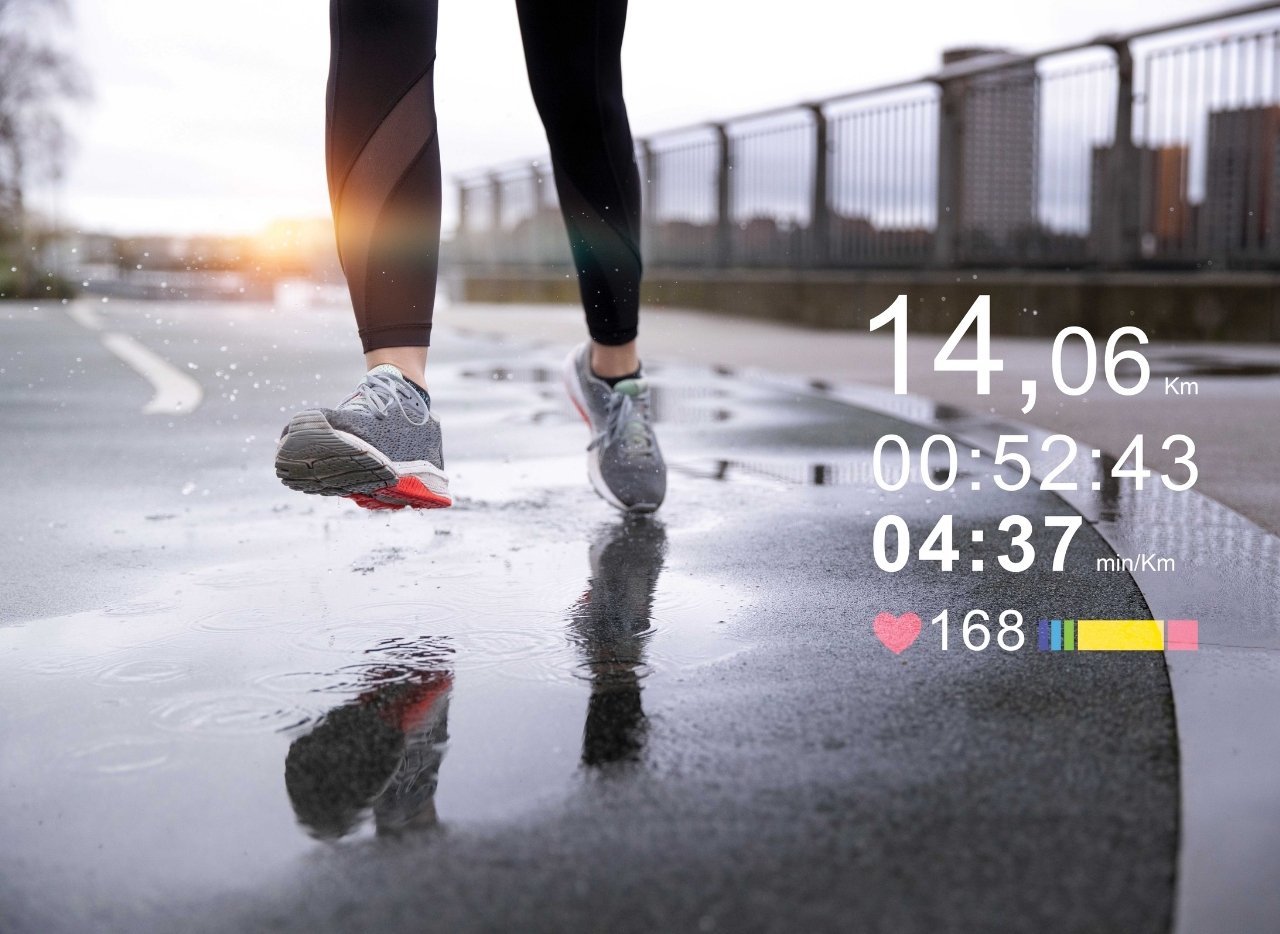
The active sports tourism segment grows at 16,14 % a year according to Fortune Business Insights (period 2024-2032), and here the transformation is deep. Travelers no longer want to merely look; they want to take part, measure their performance and share it. Wearables evolved from step counters into diagnostic tools that monitor heart-rate variability, blood oxygen and accumulated fatigue. Platforms like Strava created ecosystems where virtual competition and geolocation encourage travel to destinations with iconic routes.
According to Persistence Market Research, approximately 73 % of the global Generation Z population prefers immersive travel experiences tied to major sporting events. It is the same generational phenomenon I tend to document when I analyze the attention economy: these generations do not distinguish between the physical and the digital. For them, experience is one thing, and the tourist destination that does not understand this simply disappears from the algorithmic radar.
The local question
The digital divide threatens to turn this revolution into a concentrated privilege. Local tourism SMEs lack the technical capital to plug into the digital ecosystem. The mass collection of biometric data raises consent dilemmas that our regulation barely glimpses. And connectivity infrastructure in rural areas of the country remains insufficient —for reasons of affordability— to support the experiences the global market already demands.
The Dominican Republic has extraordinary natural assets that technology could amplify exponentially. Beaches, mountains, climate, biodiversity. But our region's history is marked by a pattern we have documented all too well: we are the landscape where others carry out their innovation. We analyzed it in this magazine with e-commerce, we documented it with AI investment —where we consume thirty dollars for every one we invest in local development— and now we see it with technological sports tourism.
The transition from the «trip to see» to the «trip to live and interact» has already begun. Our challenge as a destination is not necessarily infrastructure, but building real connectivity, training talent in applied AI, and regulatory frameworks that protect the visitor without stifling the innovator, together with the strategic decision to stop being net consumers of experiences designed by others.
The sports tourism of the future is connected to the digital economy: whoever controls the data controls the narrative. And whoever controls the narrative captures the value.

Originally published in Bohio News.