Tabuga Think Tank contributes evidence on AI governance in the Dominican Republic
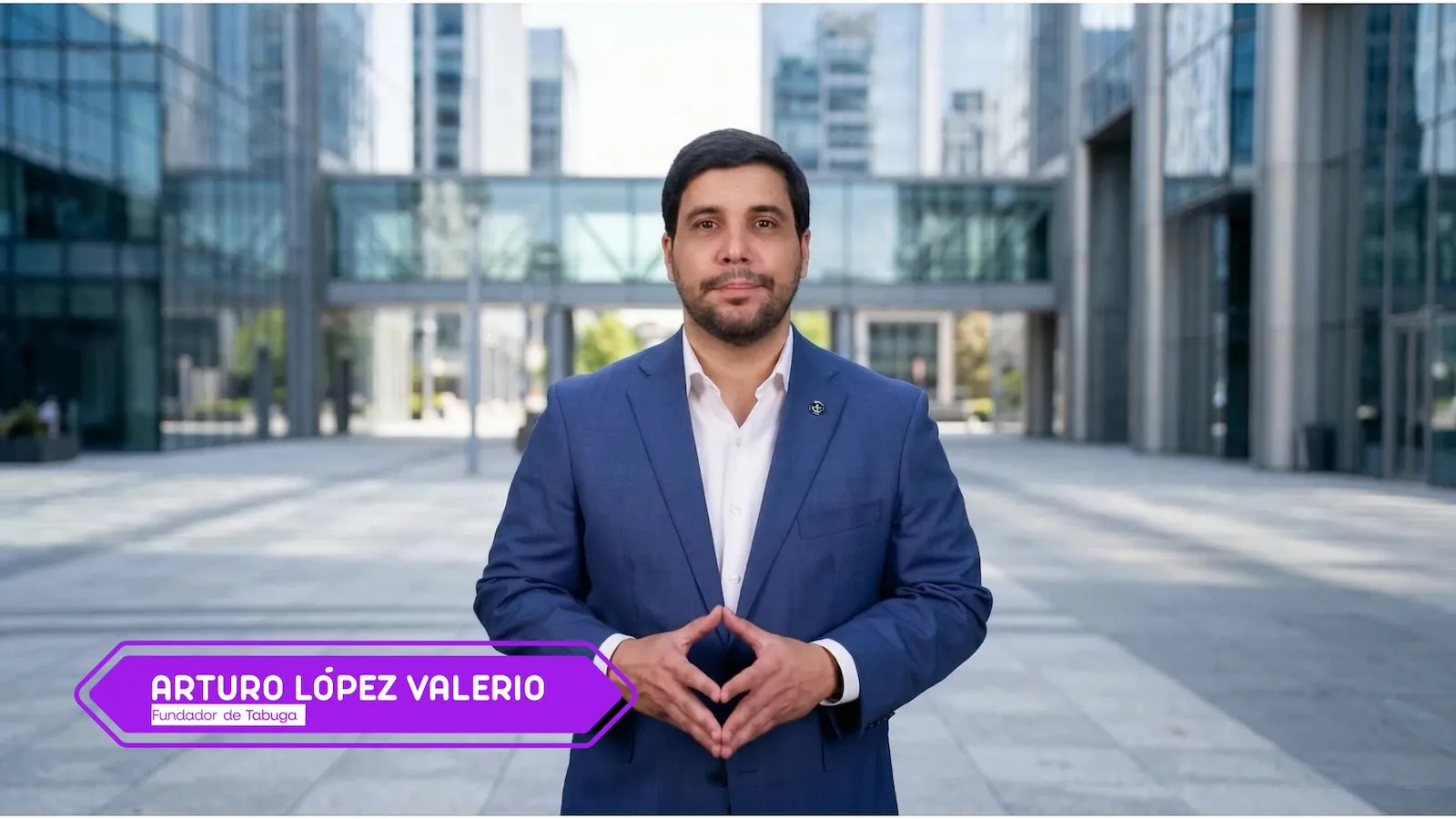
Santo Domingo, Dominican Republic – The Tabuga Think Tank submitted a written contribution to the first United Nations Global Dialogue on AI Governance, included among the more than 1,500 submissions received between March and May 2026. The document bases its proposals on the analysis of 417 public technology procurement processes in the Dominican Republic, and it is published with the other inputs ahead of the inaugural meeting in Geneva on 6 and 7 July 2026.
The Dialogue is convened under General Assembly Resolution 79/325 and is the first UN platform designed to bring together member states and non-governmental actors in a structured, ongoing exchange on AI governance. The Dominican contribution can be found in the repository of inputs by searching for the organization Tabuga Think Tank.
The think tank's contribution documents a pattern it calls the "inputs trap": economies that invest in connectivity and digital infrastructure without turning that investment into domestic innovation, knowledge production or retention of technical talent. The Dominican Republic operates the most advanced connectivity infrastructure in the Caribbean and Central America, anchored in the NAP del Caribe, with 85% internet penetration and availability above 99.999%. At the same time, it fell seven positions in the Global Innovation Index between 2020 and 2025 to rank 97, produces four patents a year, and sent about 99% of the roughly USD 300 million spent on AI solutions in 2025 to external providers.
Based on its analysis of public procurement, the think tank identified more than 80 state institutions buying AI systems and technology independently, without interoperability requirements, shared technical standards or consolidated oversight. The fiscal exposure estimated for this fragmentation ranges between USD 180 and 450 million over a decade, accounting for functional duplication, vendor dependence and lost competitiveness. The document proposes building technical evaluation criteria, interoperability clauses, fiscal impact assessments and domestic capacity requirements directly into public procurement frameworks.
The contribution links this agenda to ongoing institutional processes, among them the UNDP Digital Readiness Assessment being carried out with the Ministry of Public Administration, and argues that independent research organizations in the Caribbean, Central America, Southeast Asia and Africa provide empirical evidence that rarely reaches global governance discussions.
"The governance of artificial intelligence and capacity building are inseparable: governance without capacity produces dependent compliance, and capacity without governance produces fragmented waste", said Arturo López Valerio, founder of Tabuga.
About Tabuga
A digital consulting firm based in the Dominican Republic that uses knowledge, intelligence and technology to support organizations in their evolution toward more competitive and intelligent business models. Its purpose combines five business units with analytical rigor and a regional outlook to drive business leadership. Founded in 2011 by technology entrepreneur Arturo López Valerio, it serves industry leaders in multiple markets across Ibero-America.